
Myopia Management
What Is Myopia?
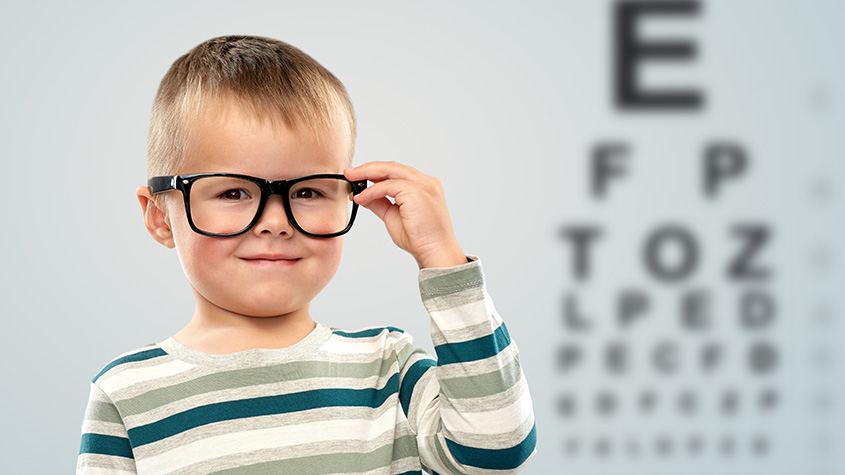
Myopia (nearsightedness) is a very common vision condition in children in the United States, and its prevalence has been rising over recent decades. Studies show that nearly 40% of school-aged children in the U.S. have myopia, with rates increasing in part due to lifestyle factors such as prolonged use of digital devices like smartphones, tablets, and computers, as well as less time spent outdoors. Both genetics and environmental factors can contribute to early onset and faster progression. Myopia in children can impact daily activities, including schoolwork and sports. Children with myopia may have difficulty seeing the board in class, reading signs, or viewing presentations from a distance, which can make learning more challenging and cause eye strain or headaches. In sports, blurred distance vision can affect performance in activities that require tracking moving objects, like soccer, basketball, or baseball, and may increase the risk of accidents or injuries.
Children who develop high myopia are at greater risk later in life for serious eye complications, including retinal detachment, glaucoma, and myopic macular degeneration. Because myopia can progress quickly, early detection through regular eye exams is critical. Comprehensive eye exams allow our eye doctors to identify myopia early, monitor progression, and recommend interventions to slow its progression and protect long-term vision.
Myopia Control Treatments
Orthokeratology (Ortho-K) is a non-surgical treatment that uses specially designed rigid gas-permeable contact lenses worn overnight to temporarily reshape the cornea, the front surface of the eye. While sleeping, these lenses gently flatten the cornea so that light focuses correctly on the retina, allowing clear vision during the day without the need for glasses or daytime contact lenses. Ortho-K is commonly used in children and teens to slow the progression of myopia, while also providing the convenience of clear daytime vision for school, sports, and other activities. The effects are temporary, so the lenses must be worn regularly at night to maintain vision correction. Regular follow-up visits with our myopia control specialists ensure safety, proper fit, and ongoing monitoring of vision changes.
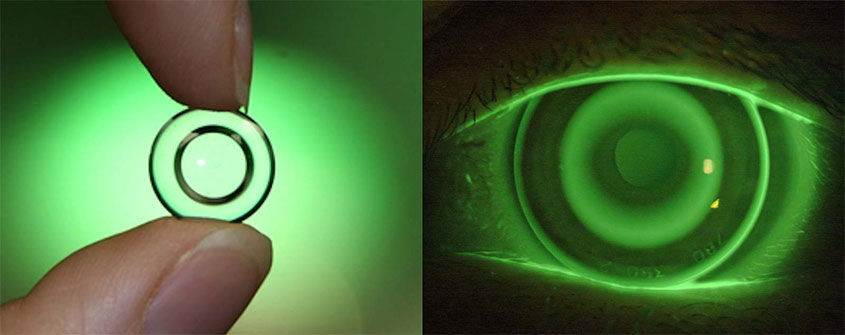
Soft Myopia control lenses are specially designed soft contact lenses for children that help correct vision while slowing the progression of myopia. Worn during the day like regular contact lenses, these lenses use a dual-focus design that allows clear central vision while slightly defocusing light in the peripheral retina. This peripheral defocus helps signal the eye to grow more slowly, reducing the risk of developing high myopia over time.
Atropine therapy involves using very low-dose atropine eye drops, typically applied once a day, which relaxes the focusing mechanism of the eye and may help reduce the rate at which the eye elongates. Early initiation of atropine therapy in children with progressive myopia can help lower the risk of developing high myopia and its associated long-term eye complications.
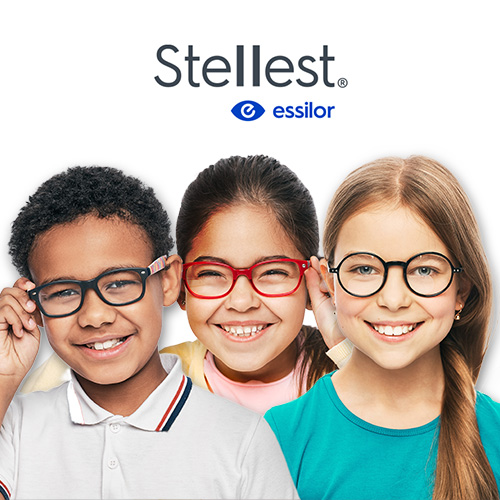
Stellest lenses use a specialized optical design called Highly Aspherical Lenslet Target (H.A.L.T.) technology, to create a pattern of myopic defocus that can signal the eye to slow its lengthening—the main physical process behind worsening myopia. Clinical studies have shown that when children wear these lenses consistently (typically for 12 hours or more per day), myopia progression and eye elongation can be significantly reduced compared to regular glasses.
The goal of myopia control treatments is to help slow axial elongation, protecting long-term vision. Because myopia can progress at different rates in each child, it is important to see our eye doctor regularly and develop a personalized myopia management plan. This plan allows our doctor to monitor axial growth, adjust treatments as needed, and provide guidance on lifestyle habits—such as outdoor activity and healthy screen use—to reduce the risk of high myopia and associated complications.
All Eye Care Services
Find personalized eye care excellence with our comprehensive services. From eye exams to advanced diagnostics, trust us for all your vision needs.

Keep In Touch
For non-urgent questions or to learn more about our services, contact us today!
© 2026 Riverdale Vision Care. All rights Reserved - Accessibility Statement - Privacy Policy - Sitemap
Managed and Designed by 