
Medical Eye Exam
Cataracts
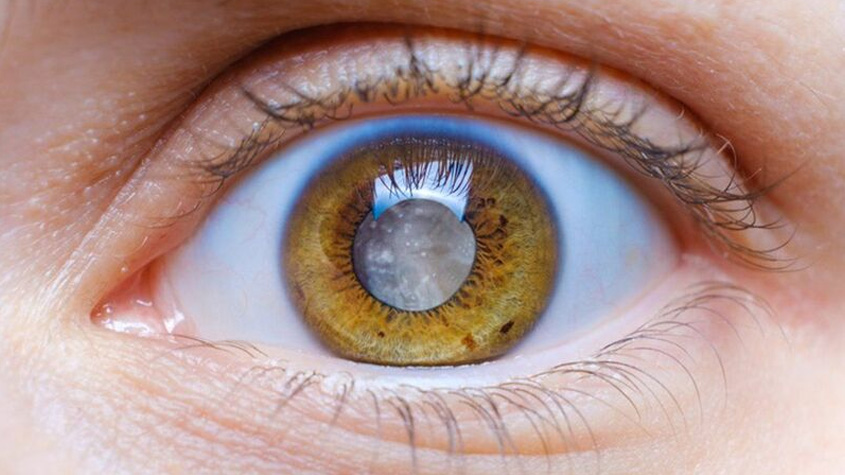
Cataract is one of the most common causes of vision changes as people age. A cataract occurs when the normally clear lens inside the eye becomes cloudy, causing vision to become blurry, hazy, or less vibrant. Cataracts typically develop slowly over time and can eventually interfere with daily activities such as reading, driving, or recognizing faces.
At Riverdale Vision Care, we provide comprehensive eye exams to detect cataracts early and help you understand the best options for maintaining clear vision.
What Causes Cataracts?
The lens of the eye is normally clear and helps focus light onto the retina. Over time, proteins in the lens can begin to break down and clump together, causing the lens to become cloudy.
Several factors can increase the risk of developing cataracts, including:
- Aging
- Diabetes
- Prolonged exposure to ultraviolet (UV) sunlight
- Smoking
- Certain medications, such as long-term steroid use
- Previous eye injuries or eye surgery
Although cataracts are most associated with aging, they can sometimes develop earlier due to these risk factors.
Common Symptoms of Cataracts
Cataracts often develop gradually, and symptoms may become noticeable as the condition progresses.
Common symptoms include:
- Blurry or cloudy vision
- Increased sensitivity to light or glare
- Difficulty seeing at night
- Faded or yellowed colors
- Frequent changes in eyeglass prescription
- Halos around lights
How Cataracts Are Diagnosed
Cataracts are diagnosed during a comprehensive eye examination. During the exam, your eye doctor will evaluate the clarity of the lens and check the overall health of your eyes.
Tests may include:
- Visual acuity testing
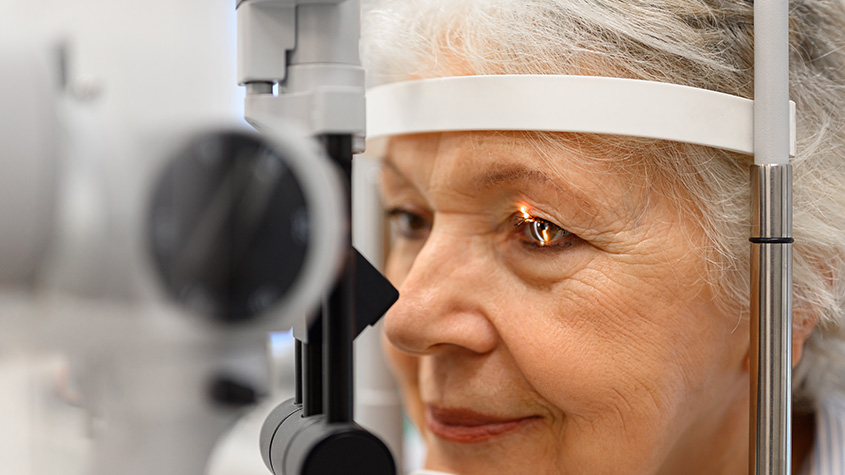
- Slit-lamp examination to examine the lens and other eye structures
- Retinal evaluation to assess the back of the eye
Cataract Treatment
In the early stages, cataract symptoms can often be managed with updated eyeglasses, brighter lighting, or anti-glare lenses. However, as cataracts progress, they may begin to significantly affect vision.
When cataracts interfere with daily activities, cataract surgery may be recommended. During surgery, the cloudy lens is removed and replaced with a clear artificial intraocular lens (IOL).
Cataract Surgery is one of the most performed and highly successful surgical procedures, often restoring clear vision and improving quality of life.
At Riverdale Vision Care, we will monitor your cataracts and refer you to a trusted surgical specialist if surgery becomes necessary.
Protecting Your Vision
While cataracts cannot always be prevented, certain habits may help reduce your risk or slow progression:
- Wear sunglasses that block UV rays
- Maintain good control of diabetes
- Avoid smoking
- Eat a healthy diet rich in antioxidants
- Schedule regular comprehensive eye exams
Routine eye exams allow your doctor to detect cataracts early and recommend the best care for your vision.
Glaucoma
Glaucoma Screening & Treatment
Glaucoma is a group of eye conditions that can damage the optic nerve, often caused by increased pressure inside the eye. It is one of the leading causes of preventable vision loss, and early detection is key to preserving your eyesight.
At Riverdale Vision Care, our experienced eye doctors provide comprehensive glaucoma screenings and personalized care to protect your vision.
What Is Glaucoma?
Glaucoma occurs when fluid builds up in the eye, increasing intraocular pressure (IOP) and damaging the optic nerve. This damage can lead to peripheral vision loss and, if left untreated, permanent blindness.
Who Is at Risk for Glaucoma?
While anyone can develop glaucoma, certain factors increase your risk:
- Age over 40
- Family history of glaucoma
- Diabetes or high blood pressure
- History of eye injury or eye surgery
- High intraocular pressure
- Prolonged use of corticosteroid medication
Symptoms of Glaucoma
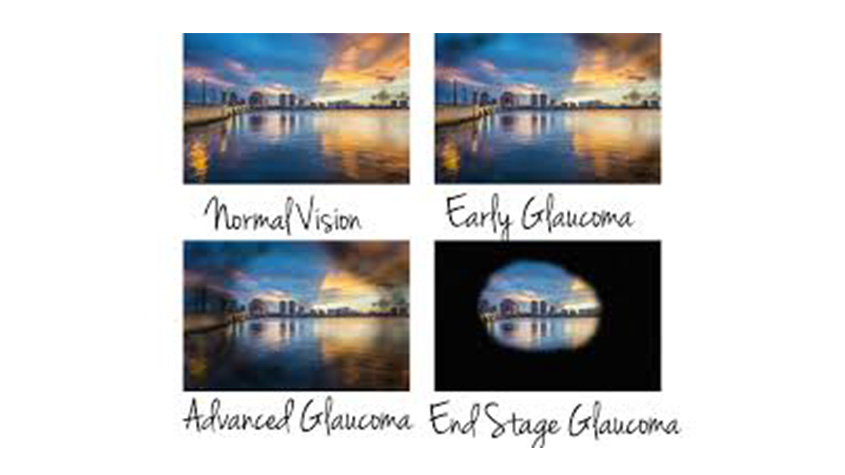
Glaucoma often develops gradually, making early detection critical. Common symptoms include:
- Loss of peripheral (side) vision/bumping into objects
- Tunnel vision in advanced stages
- Severe eye pain or headache (acute angle-closure glaucoma)
- Nausea or vomiting (acute cases)
Because glaucoma may not cause noticeable symptoms until significant vision loss occurs, annual eye exams are essential, especially for at-risk individuals.
Glaucoma Screening & Diagnosis
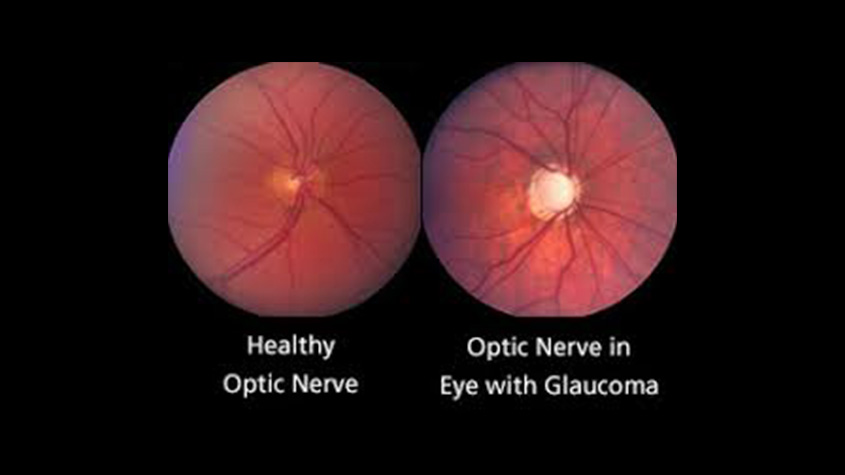
At Riverdale Vision Care, our doctors use advanced diagnostic tools to evaluate eye health and detect glaucoma early. A glaucoma exam may include:
- Measuring intraocular pressure
- Examining the optic nerve
- Assessing the drainage angle of the eye
- Visual field testing to check peripheral vision
- Imaging tests to detect optic nerve damage
Glaucoma Treatment Options
While glaucoma cannot be cured, treatments can help control intraocular pressure and preserve vision. Options include:
- Prescription eye drops to reduce eye pressure
- Oral medications in select cases
- Laser therapy to improve fluid drainage
- Surgical procedures for advanced or resistant glaucoma
Our doctors work with you to develop a personalized treatment plan and provide ongoing monitoring to protect your eyesight.
Macular Degeneration
Macular degeneration, also called age-related macular degeneration (AMD), is a common eye condition that affects the central part of the retina, called the macula. The macula is responsible for sharp, detailed vision used in reading, driving, and recognizing faces. When the macula is damaged, central vision may become blurry or distorted, making daily tasks challenging.
At Riverdale Vision Care, our experienced eye doctors provide comprehensive macular degeneration screenings, diagnosis, and treatment options to help preserve your vision.
What Is Macular Degeneration?
Macular degeneration is a progressive eye condition that primarily affects adults over 50, though early signs can appear earlier. There are two main types:
- Dry Macular Degeneration – The most common form, caused by gradual thinning or atrophy of the macula. Vision loss is usually slow and gradual.
- Wet Macular Degeneration – Less common but more severe, caused by abnormal blood vessels leaking fluid or blood into the retina. Vision loss can occur rapidly if untreated.
Symptoms of Macular Degeneration
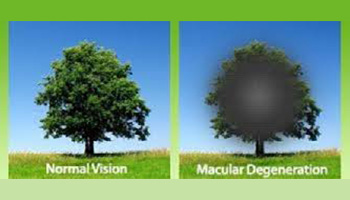
Early-stage macular degeneration may not cause noticeable symptoms, which is why routine eye exams are critical. Common signs include:
- Blurred or fuzzy central vision
- Difficulty reading or recognizing faces
- Straight lines appearing wavy or distorted
- Dark or empty spots in central vision
- Increased difficulty adjusting to low light
Causes and Risk Factors
While the exact cause of macular degeneration is unknown, several risk factors increase the likelihood of developing AMD:
- Age over 50
- Family history of macular degeneration
- Smoking
- High blood pressure or cardiovascular disease
- Obesity
- Excessive sun exposure without eye protection
Maintaining a healthy lifestyle, quitting smoking, and wearing UV-protective sunglasses can help reduce your risk.
Macular Degeneration Diagnosis
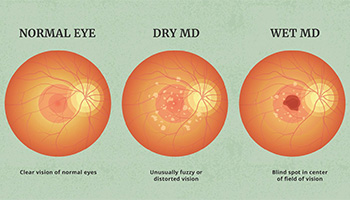
At Riverdale Vision Care, we use advanced diagnostic tools to detect macular degeneration early, even before symptoms appear. Your evaluation may include:
- Comprehensive Eye Exam – Assess overall eye health and visual acuity
- Retinal Imaging – Provides detailed images of the macula to detect early changes
- Amsler Grid Test – Detects distortion in central vision
Macular Degeneration Treatment Options
While macular degeneration cannot be completely cured, treatments can slow progression and help preserve vision: Our doctors will create a personalized plan based on the type and stage of macular degeneration. They will discuss with you Nutritional Supplements, Lifestyle Modifications, Anti-VEGF Injections and Low Vision Aids.
Conjunctivitis (Pink Eye) Care
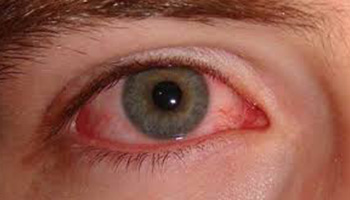
Conjunctivitis, commonly known as pink eye, is a frequent eye condition that causes redness, irritation, and discharge in one or both eyes. While it’s often mild, conjunctivitis can be highly contagious and uncomfortable. At Riverdale Vision Care, our experienced eye doctors diagnose and treat conjunctivitis to relieve symptoms and prevent complications.
If you notice red, itchy, or watery eyes, it’s important to get a professional evaluation promptly.
What Is Conjunctivitis?
Conjunctivitis occurs when the conjunctiva, the thin, clear layer covering the white part of your eye and the inside of your eyelids, becomes inflamed. This inflammation can make the eyes appear pink or red and often causes irritation or discharge.
There are three main types of conjunctivitis:
- Viral Conjunctivitis – Often caused by common viruses and highly contagious. Usually clears on its own, but symptomatic relief is important.
- Bacterial Conjunctivitis – Caused by bacteria and may produce yellow or green discharge. Requires prescription antibiotic eye drops for treatment.
- Allergic Conjunctivitis – Triggered by allergens like pollen, dust, or pet dander. Often accompanied by itching and watery eyes.
Symptoms of Conjunctivitis
Common signs of conjunctivitis include:
- Redness in one or both eyes
- Itching or burning sensation
- Watery eyes or thick discharge
- Crusting of eyelids, especially in the morning
- Sensitivity to light
- Swelling of the eyelids
Causes of Conjunctivitis
Conjunctivitis can be caused by:
- Viruses – highly contagious, often spreads in schools or workplaces
- Bacteria – may develop from contact with contaminated surfaces or hands
- Allergies – seasonal or environmental allergens
- Irritants – smoke, chemicals, or foreign particles in the eye
Diagnosis and Treatment
At Riverdale Vision Care, we provide a thorough examination to determine the type and cause of your conjunctivitis. Your exam may include:
- Visual acuity testing
- Slit-lamp examination to evaluate the conjunctiva and cornea
- Assessment of eye discharge and inflammation
Treatment depends on the type of conjunctivitis. We also provide guidance on preventing the spread of contagious conjunctivitis.
All Eye Care Services
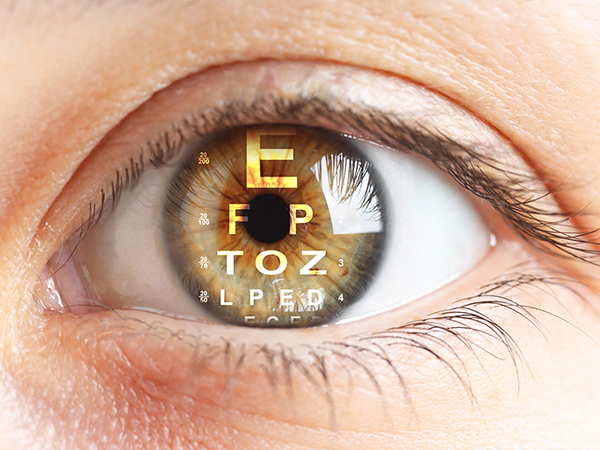
Find personalized eye care excellence with our comprehensive services. From eye exams to advanced diagnostics, trust us for all your vision needs.

Keep In Touch
For non-urgent questions or to learn more about our services, contact us today!
© 2026 Riverdale Vision Care. All rights Reserved - Accessibility Statement - Privacy Policy - Sitemap
Managed and Designed by 